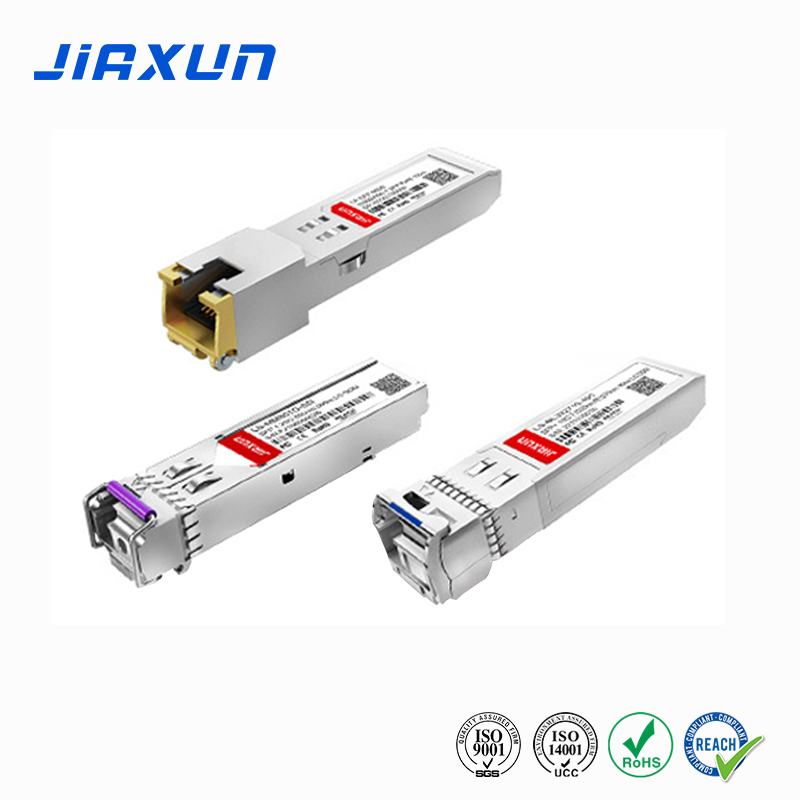
What is an SFP Transceiver (SFP Module)? Complete Guide for Networking Professionals
In modern networking, speed, flexibility, and reliability are crucial. One small but powerful device that makes this possible is the SFP transceiver, also known as an SFP module. These hot-swappable components are widely used in switches, routers, and network interface cards (NICs) to enable flexible connectivity across fiber optic and copper links.
This article explains what an SFP transceiver is, how it works, its types, key applications, and how to choose the right SFP module for your network.
What is an SFP Transceiver?
SFP (Small Form-factor Pluggable) transceiver is a compact, hot-swappable optical module used for both telecommunication and data communication applications.
-
Function: Converts electrical signals into optical signals (for fiber) or vice versa.
-
Form factor: Small size, standardized by the MSA (Multi-Source Agreement).
-
Hot-swappable: Can be inserted or removed from a network device without powering down the system.
In simple terms, an SFP module is the interface between your networking equipment and the transmission medium (fiber or copper).

Common Types of SFP Modules
SFP transceivers are available in different types depending on transmission distance, wavelength, and cable medium.
-
Fiber Optic SFP Transceivers
-
SX SFP (850nm, multimode fiber) – up to 550m.
-
LX SFP (1310nm, single-mode fiber) – up to 10km.
-
EX/ZX SFP (1550nm, single-mode fiber) – up to 40km–80km.
-
-
Copper SFP Modules
-
RJ45 SFP for Gigabit Ethernet over Cat5e/Cat6 copper cables.
-
-
Specialized SFPs
-
BiDi SFP (bidirectional, single fiber for TX/RX).
-
CWDM/DWDM SFP (for wavelength-division multiplexing networks).
-
SFP vs. SFP+ vs. QSFP: What’s the Difference?
-
SFP (1G) – supports up to 1 Gbps.
-
SFP+ (10G) – enhanced version supporting up to 10 Gbps.
-
QSFP (40G/100G) – Quad Small Form-factor Pluggable, used for higher bandwidth links.
Understanding these differences helps you plan for current needs and future scalability.

Applications of SFP Transceivers
SFP modules are used in various networking environments, including:
-
Enterprise Networks – connecting switches, routers, and firewalls.
-
Data Centers – high-density fiber connectivity for servers and storage.
-
Telecommunications – metro and long-haul fiber networks.
-
Industrial Applications – stable connections in harsh environments.
Because they are modular, network engineers can choose the exact SFP type needed without replacing the whole device.
How to Choose the Right SFP Module
When buying an SFP transceiver, consider the following:
-
Transmission Distance – short-range (SX), long-range (LX, ZX).
-
Cable Type – multimode fiber (MMF), single-mode fiber (SMF), or copper.
-
Data Rate – match with your switch/router port (1G, 10G, 25G, etc.).
-
Compatibility – ensure the module is compatible with your brand (Cisco, Juniper, Huawei, etc.).
-
Environment – for industrial networks, choose ruggedized or extended-temperature SFPs.
Installation and Maintenance Tips
-
Insert the SFP module gently into the switch/router SFP port.
-
Attach the correct fiber or copper cable.
-
Use dust caps to protect unused ports.
-
Always verify compatibility with your device OS/firmware.

Future of SFP Modules
As network demands grow, SFP modules continue to evolve:
-
SFP28 – supports 25 Gbps.
-
QSFP-DD – doubles data density up to 400 Gbps.
-
More energy-efficient designs for greener data centers.
Even with new standards, SFP transceivers remain essential for scalable, flexible networking solutions.
Frequently Asked Questions (FAQ)
Q1: Can I use any SFP transceiver in my switch?
Not always. Some switches are “locked” to specific vendors. Always check the compatibility list or choose third-party SFPs that are MSA-compliant.
Q2: What is the difference between an SFP and GBIC?
SFP is smaller and more advanced than the older GBIC standard, which is now obsolete.
Q3: Do SFP modules affect network speed?
Yes. If you use a 1G SFP, your port will only operate at 1Gbps, even if the switch supports 10G.
Conclusion
The SFP transceiver (SFP module) is a small but powerful device that provides the flexibility modern networks need. From enterprise offices to large-scale data centers, choosing the right SFP module ensures reliable, scalable, and cost-effective network performance.
Whether you are upgrading your business network or designing a high-speed data center, understanding SFP transceivers will help you make smarter decisions.
SFP vs SFP+ vs SFP28: What’s the Difference and Which One to Use?
The Definitive Multimode SFP Module Buying Guide: Specs, Compatibility & Cost Considerations