SFP vs RJ45: Which One Should You Choose for Your Network? (2026 Guide)
Introduction
When designing or upgrading a network, one of the most common questions engineers and buyers ask is:
👉 Should I use SFP or RJ45?
Both are widely used in Ethernet networking, but they serve very different purposes. Choosing the wrong one can lead to:
-
Higher costs
-
Poor performance
-
Future upgrade limitations
In this guide, we’ll break down the real differences between SFP and RJ45, and help you choose the best solution based on your application.

What Is SFP?
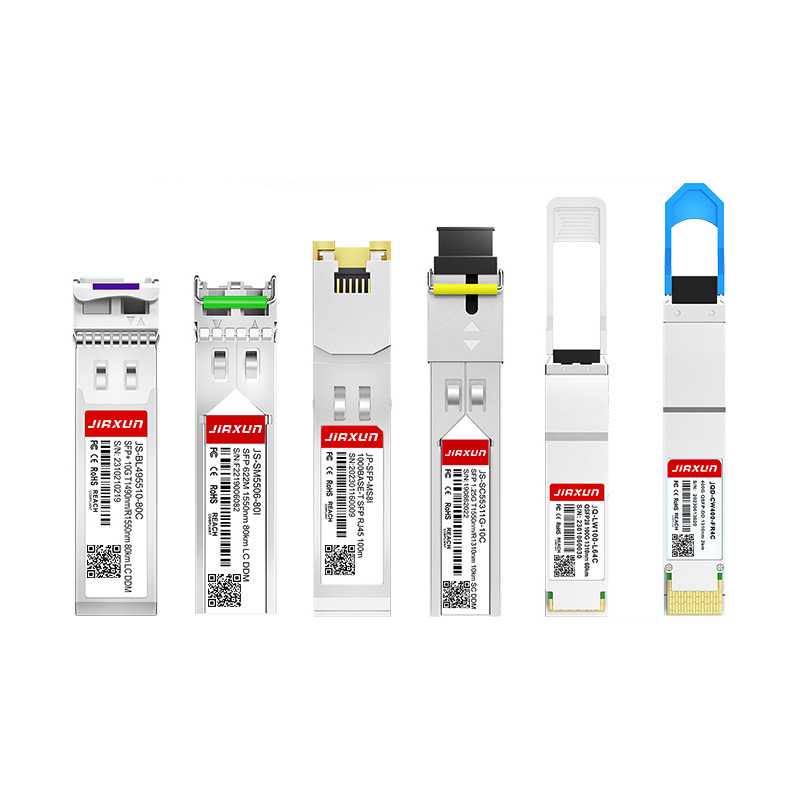
SFP (Small Form-factor Pluggable) is a modular interface used for connecting network equipment via fiber or copper transceivers.
Key Features:
-
Supports fiber and copper modules
-
Hot-swappable (easy to replace)
-
Used in switches, routers, servers
-
Supports 1G / 10G / 25G / 40G / 100G / 200G / 400G+
👉 Common types:

What Is RJ45?
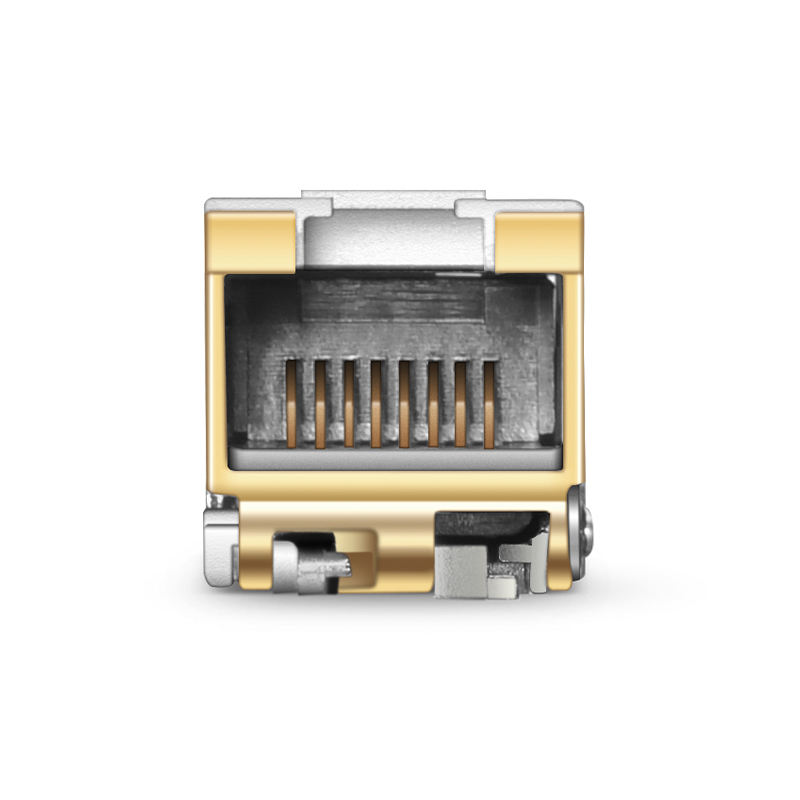
RJ45 is the standard connector used for Ethernet cables (like Cat5e, Cat6, Cat6a).
Key Features:
-
Copper-based connection
-
Widely used in LAN networks
-
Plug-and-play simplicity
-
Supports up to 10G (10GBASE-T)
👉 Found in:
-
Office networks
-
Home routers
-
Industrial Ethernet systems
SFP vs RJ45: Key Differences
| Feature | SFP | RJ45 |
|---|---|---|
| Medium | Fiber / Copper Module | Copper Cable |
| Speed | Up to 400G+ | Up to 10G |
| Distance | Up to 160km+ (fiber) | Up to 100m |
| Cost | Higher (module required) | Lower |
| Flexibility | High (modular) | Fixed |
| Power Usage | Lower | Higher (10GBASE-T) |

SFP vs RJ45: Which One Is Better?
👉 The answer depends on your use case.
Choose SFP if you need:
✔ Long-distance transmission
✔ High-speed (10G/25G/100G+)
✔ Data center or telecom deployment
✔ Lower latency and power consumption
👉 Typical scenarios:
-
Data centers
-
Cloud infrastructure
-
Core network switches
Choose RJ45 if you need:
✔ Low cost
✔ Easy installation
✔ Short-distance connections
✔ Compatibility with existing cabling
👉 Typical scenarios:
-
Office networks
-
SMB deployments
-
Industrial equipment
10G SFP+ vs 10GBASE-T (RJ45)
This is one of the most searched comparisons.
SFP+ Advantages:
-
Lower latency
-
Lower power consumption (~1W vs 4–8W)
-
Better for high-density switches
RJ45 (10GBASE-T) Advantages:
-
Uses existing Cat6/Cat6a cabling
-
Lower upfront cost
-
Easier deployment
👉 Conclusion:
-
Data center → SFP+
-
Office upgrade → RJ45
Cost Comparison
Many buyers assume RJ45 is always cheaper — but that’s not always true.
RJ45:
-
Lower initial cost
-
Higher power consumption (long-term cost)
SFP:
-
Higher upfront (module + cage)
-
Lower operating cost
👉 For large-scale deployments (like data centers), SFP is often more cost-efficient in the long run.
How to Choose the Right Solution (Practical Guide)
Ask yourself these 5 questions:
-
What is the required distance?
-
What speed do you need now and in the future?
-
Do you already have copper cabling?
-
Is power consumption a concern?
-
Are you designing for scalability?
👉 Quick rule:
-
<100m + budget sensitive → RJ45
-
>100m or high-speed → SFP
Why SFP Cage Quality Matters (Important for Engineers)
If you choose SFP, one often overlooked component is the SFP cage.
A high-quality SFP cage ensures:
-
Stable signal transmission
-
EMI shielding performance
-
Better heat dissipation
-
Long-term reliability
👉 Poor-quality cages can cause:
-
Signal loss
-
Module overheating
-
Network instability

Looking for a Reliable SFP Cage & RJ45 Connector Supplier?
At JIA XUN, we specialize in:
✔ SFP Cage (single port / ganged / with heatsink)
✔ RJ45 Connectors with integrated magnetics
✔ OEM / ODM customization
✔ High-speed data center solutions
👉 Our products are widely used in:
-
Network switches
-
Servers
-
Telecom equipment
Get a Free Quote
If you're selecting components for your next project, we can help.
-
Product datasheets
-
Free samples
-
Custom design support
📩 Send your inquiry now and get a response within 24 hours.
FAQ
1. Can SFP replace RJ45?
Yes, but only if your device supports SFP ports and modules.
2. Is SFP faster than RJ45?
Yes. SFP supports much higher speeds (25G/100G+), while RJ45 is typically limited to 10G.
3. Can I use copper with SFP?
Yes, using copper SFP modules (RJ45 SFP transceivers).
4. Which is better for data centers?
SFP (especially SFP+ and above) is the preferred choice.
Final Thoughts
👉 RJ45 is simple and cost-effective
👉 SFP is scalable and high-performance
Choosing the right one depends on your network goals — but if you're planning for future growth, SFP is often the better investment.
LAN Transformer vs. Discrete Magnetics: Why Integrated RJ45 Connectors are Better for Modern Networking
Invitation | Jiaxun (Huizhou) Intelligent Technology Invites You to the 2026 Global Sources Consumer Electronics Show
Related Article