The Ultimate SFP Module Buying Guide: Compatibility, Price, and Performance
Introduction: Why SFP Modules Matter in Modern Networking
In today’s digital-first world, enterprises, data centers, and service providers rely heavily on high-speed connectivity. Whether it’s cloud computing, video streaming, or enterprise-grade communications, network performance depends on reliable optical transceivers. Among them, the SFP module has become one of the most widely adopted components for scalable and flexible networking.
But with so many variations—different speeds, distances, and vendors—choosing the right SFP module can be overwhelming. This guide will help you understand what an SFP module is, how it works, the types available, pricing considerations, compatibility issues, and how to choose the best option for your needs.
What is an SFP Module?
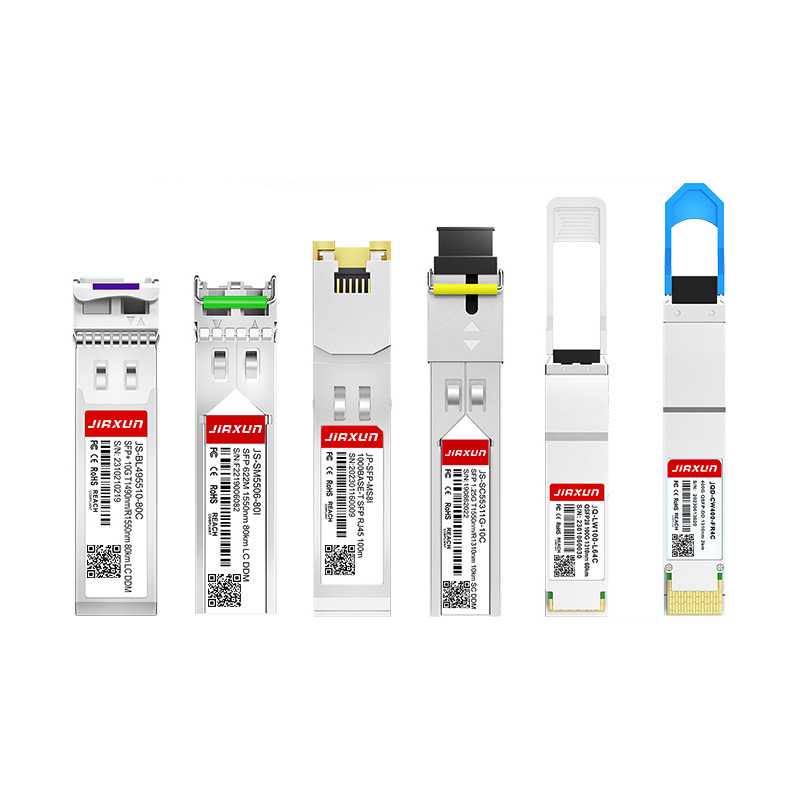
An SFP (Small Form-factor Pluggable) module is a compact, hot-swappable optical transceiver used in networking equipment such as switches, routers, and servers. It allows network administrators to customize and upgrade connections without replacing the entire device.
-
Hot-swappable design – You can insert or remove the module without powering down the system.
-
Flexibility – Supports both optical fiber and copper-based connections.
-
Scalability – Available in multiple speed and distance options, from 100 Mbps to 400 Gbps (QSFP-DD).
SFP modules replaced older GBIC (Gigabit Interface Converter) modules due to their smaller size and higher port density. Today, they remain the backbone of enterprise and carrier-grade networking.

Types of SFP Modules
When choosing an SFP module, it’s important to understand the different categories:
-
Based on Speed
-
Based on Transmission Distance
-
SX (Short-range, 850nm) – For short multi-mode fiber connections, up to 550m.
-
LX (Long-range, 1310nm) – Up to 10km on single-mode fiber.
-
EX/ZR/ER (Extended-range, 1550nm) – From 40km up to 120km.
-
-
Single-mode vs Multi-mode
-
Single-mode (SMF) – Long-distance backbone connections.
-
Multi-mode (MMF) – Short-distance, cost-effective solutions.
-
Key Features to Consider
When selecting an SFP module, consider these parameters:
-
Data Rate – 1G, 10G, 25G, or beyond.
-
Distance – From a few meters (DAC cables) to over 100km (long-range optics).
-
Wavelength – Typically 850nm, 1310nm, or 1550nm.
-
Connector Type – LC, SC, or RJ45 (for copper-based SFP).
-
Temperature Range – Commercial vs industrial-grade modules.
-
Power Consumption – Critical for high-density deployments.

Compatibility: OEM vs Third-Party SFP Modules
One of the biggest challenges is compatibility. Network vendors such as Cisco, Juniper, Huawei, and HP often promote their branded modules. However, third-party SFP modules are gaining popularity due to lower costs and wide compatibility.
-
OEM Modules – Guaranteed to work but come at a premium price.
-
Third-party Modules – Cost-effective, but quality depends on supplier.
Key Compatibility Issues
-
Firmware locks – Some vendors restrict non-OEM modules.
-
Interoperability – Ensure wavelength, data rate, and connector match.
-
Vendor Certification – Reliable suppliers test compatibility across major brands.
SFP Module Price Guide (2025)
Pricing varies widely depending on speed, range, and vendor.
-
1G SFP – $10–$30 (third-party), $80–$150 (OEM).
-
10G SFP+ – $20–$50 (third-party), $200–$400 (OEM).
-
40G/100G modules – $200–$1,000 depending on distance.
Factors Affecting Cost
-
Brand premium – OEM modules cost 3–10x more.
-
Transmission range – Longer distance optics are more expensive.
-
Special functions – Such as DWDM (Dense Wavelength Division Multiplexing).
Applications of SFP Modules
SFP modules are essential across multiple industries:
-
Enterprise Networks – Connect switches, routers, and servers.
-
Data Centers – Enable high-speed east-west traffic between racks.
-
Telecom/ISPs – Provide long-haul optical connections.
-
Campus Networks – Flexible upgrades without hardware replacement.

Common Problems & Troubleshooting Tips
Even reliable SFP modules may encounter issues:
-
Not recognized by device – Check vendor compatibility or try reseating the module.
-
Link down or unstable – Verify fiber polarity, cleanliness, and connector type.
-
Overheating – Ensure adequate airflow, especially in high-density racks.
-
Mismatched transceivers – Always pair modules with identical specifications.
Buying Guide & Supplier Recommendation
When choosing a supplier, consider:
-
Quality control & testing – Ensure 100% compatibility with major brands.
-
Warranty & support – Look for at least 1–3 years warranty.
-
Stock availability – Critical for large-scale projects.
-
Global shipping – Fast delivery reduces downtime.
? Recommended Product:
If you are looking for a cost-effective and reliable 10G option, consider the JS-SM5510-A2C Duplex LC SMF Optical Transceiver, 1550nm 10G SFP+.
-
Designed for single-mode fiber.
-
Long-distance transmission.
-
Duplex LC connector for easy integration.
-
High reliability, making it ideal for enterprise and telecom applications.
FAQ about SFP Modules
Q1: What is the difference between SFP and GBIC?
SFP modules are smaller and provide higher port density compared to older GBIC modules.
Q2: Can I use different brands of SFP modules in the same switch?
Yes, but always check compatibility. Some vendors restrict third-party modules.
Q3: How long do SFP modules last?
Typically 5–7 years, depending on environmental conditions.
Q4: Can I mix single-mode and multi-mode modules?
No, both ends of the link must use the same type of fiber and module.
Q5: What is the maximum distance supported by SFP modules?
Up to 120km with long-range optics such as ZR modules.
Conclusion: Choosing the Right SFP Module
The right SFP module can make or break your network performance. By considering speed, distance, compatibility, and supplier reliability, you can ensure seamless connectivity for your enterprise, data center, or ISP network.
For organizations seeking cost-effective and high-performance 10G connectivity, the JS-SM5510-A2C Duplex LC SMF Optical Transceiver (1550nm, 10G SFP+) stands out as a trusted solution.
Whether you’re upgrading a legacy network or designing a next-generation infrastructure, understanding SFP modules will help you make smarter purchasing decisions and future-proof your investments.
What is an SFP Module? Definition, Working Principle, and Common Uses
How to Choose the Right Optics Transceiver Module for Your Network
Related Article