What is an SFP Module? Definition, Working Principle, and Common Uses
Introduction: Why SFP Modules Matter in Modern Networking
In today’s hyper-connected world, high-speed and reliable data transmission is the foundation of business operations, cloud services, and digital communication. At the heart of this infrastructure lies a small but powerful component: the SFP Module (Small Form-factor Pluggable).
An SFP Module may look tiny, but it plays a critical role in connecting network devices to fiber optic or copper cables, enabling flexible, scalable, and cost-efficient networking solutions.
This article will give you a comprehensive understanding of SFP Modules—what they are, how they work, their common types, use cases, compatibility concerns, and future trends.

1. Definition: What is an SFP Module?
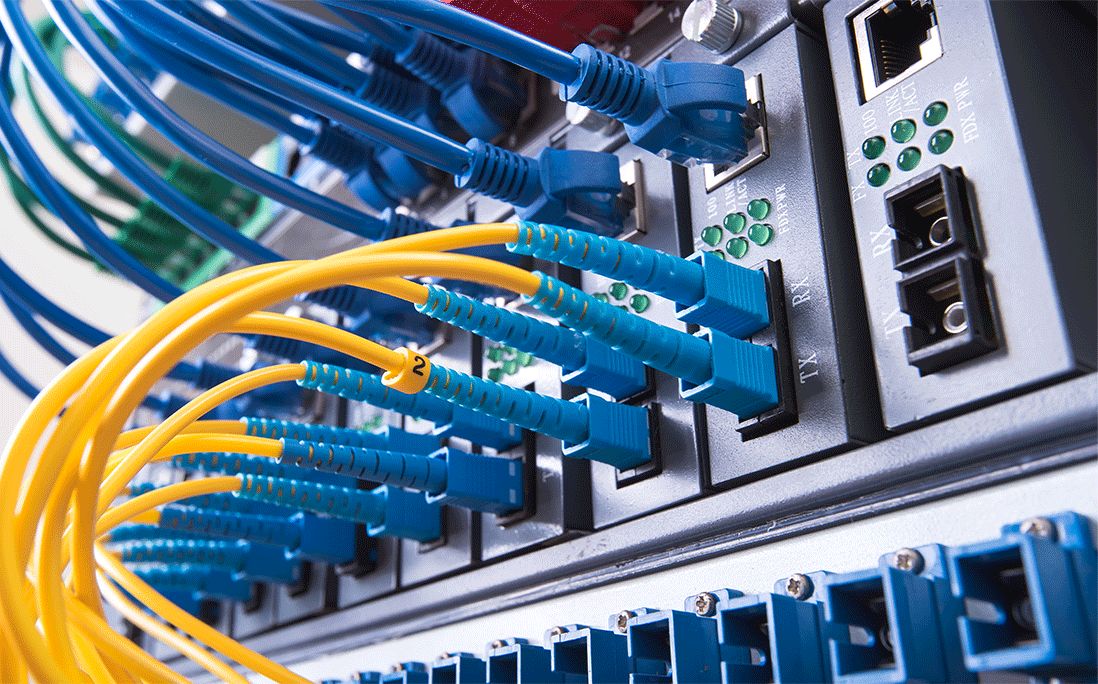
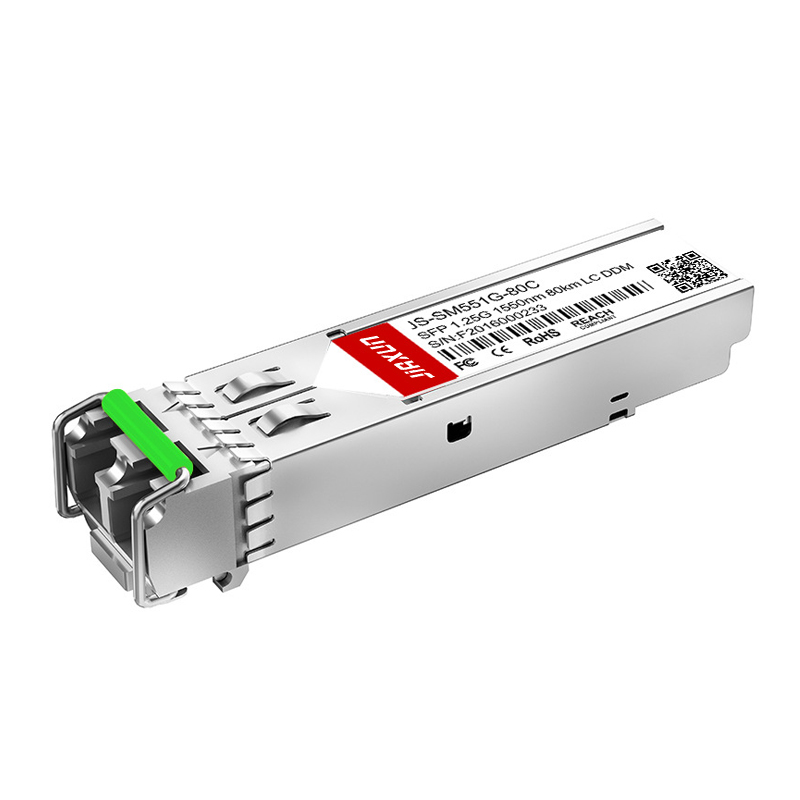
An SFP Module, short for Small Form-factor Pluggable Module, is a compact, hot-swappable transceiver used in networking equipment such as switches, routers, and servers.
Key Features of SFP Modules:
-
Hot-swappable: Can be inserted or removed without shutting down the system.
-
Flexible: Supports both fiber optic and copper connections.
-
Scalable: Enables upgrades from 1G to 10G and beyond without replacing the entire device.
-
Vendor-agnostic: Available from multiple brands, including Cisco, Huawei, Juniper, and third-party suppliers.
In simple terms, the SFP Module is the “bridge” that connects your networking device to the transmission medium.
2. Working Principle of an SFP Module
The SFP Module functions as a signal converter. It converts electrical signals inside the device into optical signals for fiber transmission (and vice versa).
Step-by-Step Process:
-
Transmission Side (TX):
-
The module receives an electrical signal from the switch or router.
-
A laser diode (e.g., VCSEL or FP/DFB laser) converts the signal into an optical signal.
-
-
Fiber Transmission:
-
The optical signal travels through fiber optic cable (single-mode or multi-mode).
-
-
Reception Side (RX):
-
A photodiode inside the SFP converts the incoming light back into an electrical signal.
-
The device processes the signal as digital data.
-
? This entire process happens at extremely high speed—from 1 Gbps up to 400 Gbps in advanced modules.
3. Types of SFP Modules
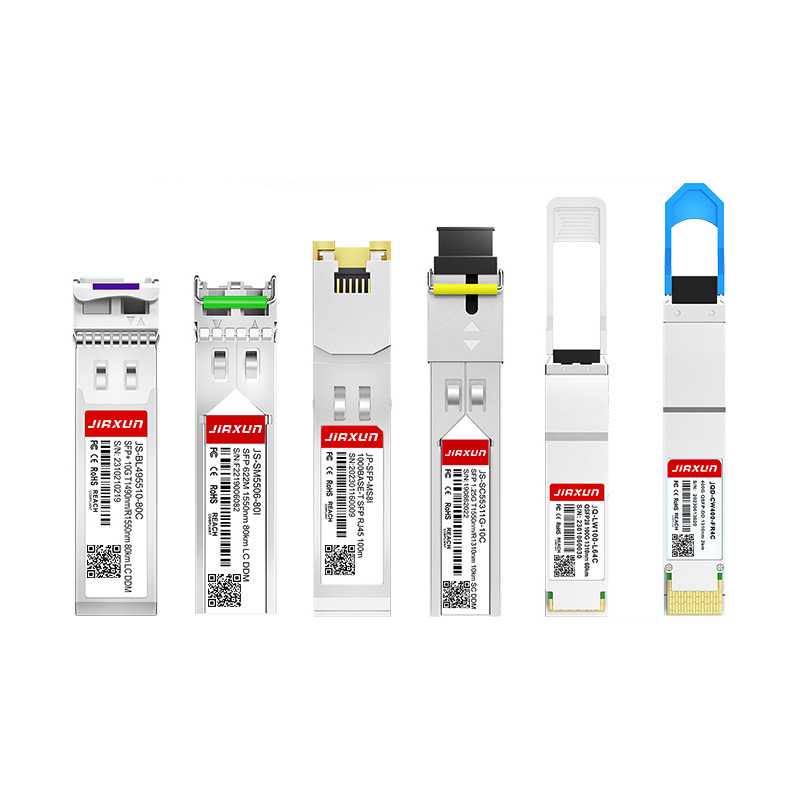
SFP Modules are categorized based on speed, transmission distance, fiber type, and wavelength.
3.1 Based on Speed
-
SFP (1G): Supports up to 1.25 Gbps, common in enterprise networks.
-
SFP+ (10G): Supports 10 Gbps, widely used in data centers.
-
SFP28 (25G): Higher bandwidth, optimized for modern applications.
-
QSFP+/QSFP28 (40G/100G): High-density transceivers for large-scale data centers.
-
QSFP-DD (400G): Next-generation modules supporting hyperscale cloud providers.
3.2 Based on Fiber Type
-
Single-Mode SFP (SMF):
-
Uses 1310nm or 1550nm wavelength.
-
Long-distance transmission (up to 120 km).
-
-
Multi-Mode SFP (MMF):
-
Uses 850nm wavelength.
-
Short-distance (up to 500 meters).
-
3.3 Special Types
-
Copper SFP (RJ45 SFP): Supports copper Ethernet cables (Cat5/6).
-
BiDi SFP (Bi-Directional): Uses a single fiber strand with different wavelengths for TX/RX.
-
DWDM/CWDM SFPs: For wavelength-division multiplexing in carrier networks.
-
Industrial SFPs: Designed for harsh environments (temperature: -40°C to 85°C).

4. Common Uses of SFP Modules
SFP Modules are widely deployed across different industries and networking environments.
4.1 Data Centers
-
High-speed server-to-switch connections.
-
Leaf-spine architecture in cloud data centers.
-
25G/100G SFP modules dominate for scalability.
4.2 Enterprise Networks
-
Connect core, distribution, and access layer switches.
-
Extend office LAN connections across multiple buildings.
-
Ensure high bandwidth for video conferencing and security systems.
4.3 Telecom and ISP Networks
-
Used in Metro Ethernet and FTTH (Fiber-to-the-Home).
-
Long-distance backbone connections with DWDM SFP modules.
-
Scalable deployment of 10G, 25G, and 100G services.
4.4 Industrial Applications
-
Railways, energy grids, and surveillance networks.
-
Harsh environments where industrial-grade SFP Modules ensure reliability.
5. SFP Module Compatibility Guide
One of the biggest challenges for IT teams is compatibility.
OEM vs Third-Party Modules
-
OEM Modules (Cisco, Juniper, Huawei): Guaranteed compatibility, but expensive.
-
Third-Party Modules: More affordable, often 30–60% cheaper, but require vendor testing.
Factors Affecting Compatibility
-
Vendor Locking: Some manufacturers enforce strict coding in their devices.
-
Firmware Updates: May block unsupported modules.
-
Quality Assurance: Not all third-party modules meet industry standards.
? Best Practice: Work with reliable third-party suppliers who guarantee 100% compatibility and provide test reports.
6. Key Factors to Consider Before Buying an SFP Module
-
Network Speed Requirements (1G, 10G, 25G, 100G).
-
Transmission Distance (short-range MMF vs long-range SMF).
-
Connector Type (LC, SC, MPO/MTP).
-
Environmental Conditions (commercial vs industrial-grade).
-
Budget and Vendor Support (OEM vs compatible modules).

7. Troubleshooting Common Issues
Even with the right module, issues can occur. Here are common problems:
-
Module not recognized: Check firmware or vendor restrictions.
-
High error rate: Likely due to dirty connectors or poor-quality fiber.
-
Overheating: Use proper ventilation and choose low-power modules.
-
Mismatched modules: Ensure wavelength and speed compatibility on both ends.
8. Future Trends in SFP Modules
-
400G and Beyond: Hyperscale data centers driving demand.
-
Silicon Photonics: Promising lower cost and higher efficiency.
-
Higher Density: Smaller form factors with multi-lane designs.
-
Green Networking: Energy-efficient SFP modules to reduce power consumption.
9. Frequently Asked Questions (FAQ)
Q1: What does SFP stand for?
SFP = Small Form-factor Pluggable.
Q2: Can I use an SFP Module from one vendor in another vendor’s device?
It depends. Some devices are locked to OEM modules, while others support third-party options.
Q3: What is the difference between SFP and SFP+?
-
SFP: Supports up to 1.25 Gbps.
-
SFP+: Supports up to 10 Gbps.
Q4: How do I clean an SFP Module?
Use a fiber cleaning kit and lint-free wipes to clean the connector end face.
Q5: Are third-party SFP Modules reliable?
Yes, if purchased from a reputable supplier that provides test certifications.
Conclusion
The SFP Module may be small in size, but it is essential for modern networking infrastructure. From enterprise LANs to hyperscale data centers, it provides the flexibility, scalability, and performance needed to support today’s digital world.
When selecting an SFP Module, always consider speed, distance, compatibility, and application environment. With the right choice, your network will not only meet current demands but also be ready for future expansion.
? Whether you’re an IT administrator, a procurement manager, or a data center architect, understanding SFP Modules is the key to building faster, more reliable, and future-proof networks.
Choosing the Right SFP Transceiver for Your Network: A Comprehensive Guide
The Ultimate SFP Module Buying Guide: Compatibility, Price, and Performance
Related Article