Choosing the Right SFP Transceiver for Your Network: A Comprehensive Guide
In today's fast-paced digital world, network infrastructure plays a crucial role in ensuring smooth and efficient communication. One essential component of any modern network is the SFP transceiver module. These small but powerful devices enable data transmission over fiber-optic or copper cables, offering high-speed connectivity in various networking environments.
Whether you’re setting up a new network or upgrading an existing one, choosing the right SFP module is key to achieving optimal performance and ensuring long-term reliability. In this comprehensive guide, we will help you understand the importance of SFP transceivers, how to choose the best one for your network, and answer some of the most common questions about these essential network components.
What is an SFP Transceiver Module?
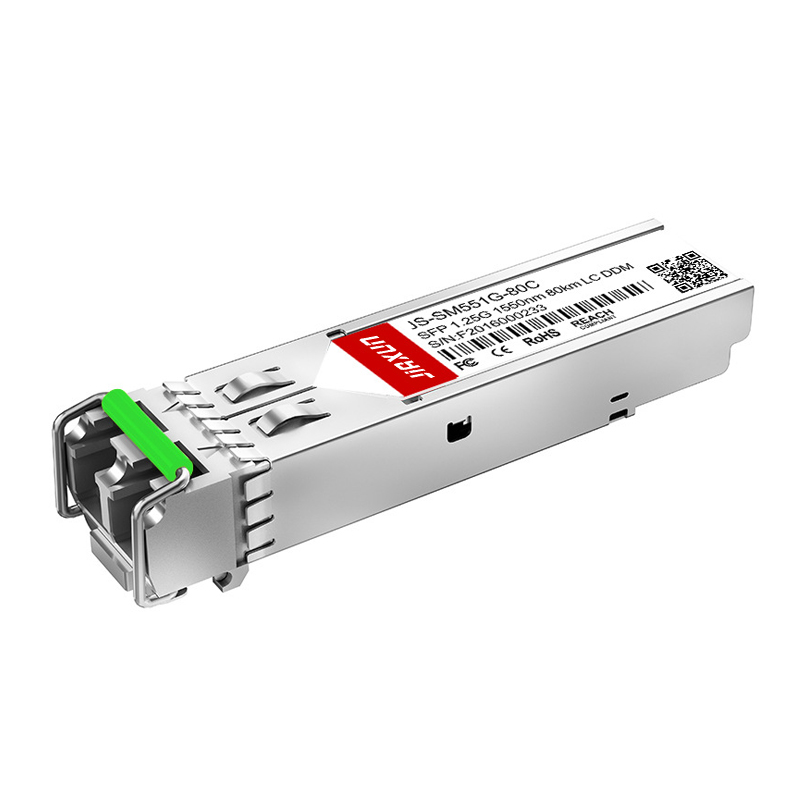
An SFP transceiver module (Small Form-factor Pluggable) is a compact device used in telecommunications and data networks. It allows for the conversion of electrical signals into optical signals and vice versa. This process enables data to be transmitted over fiber-optic cables, which offer significantly higher bandwidth and longer transmission distances compared to traditional copper cables.
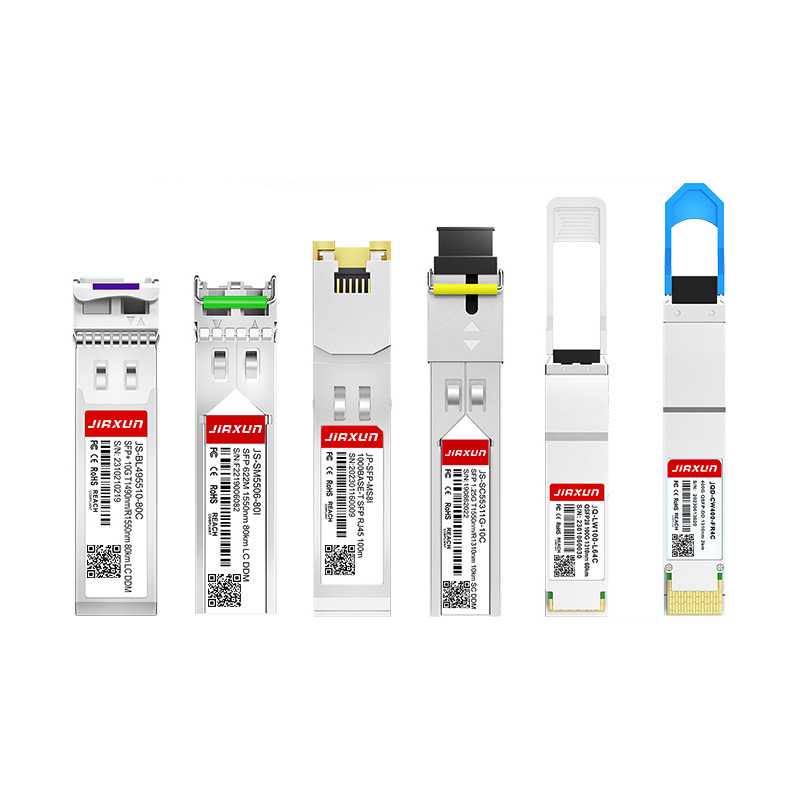
There are several types of SFP modules available, each designed to meet specific needs in various networking environments. The most common types of SFP modules are:
-
SFP (1Gbps): Supports data rates up to 1 Gbps, primarily used for Ethernet and other lower-speed applications.
-
SFP+ (10Gbps): Supports speeds up to 10 Gbps, commonly used in high-speed data centers and enterprise networks.
-
SFP28 (25Gbps): Offers higher speeds, typically used in high-performance networking systems.
-
QSFP+ (40Gbps) and QSFP28 (100Gbps): These higher-end modules are used in extremely high-bandwidth applications, such as data centers that handle large volumes of data.

Why SFP Transceivers Matter in Your Network
The importance of SFP transceivers cannot be overstated. They enable the flexibility to adapt to various networking needs, allowing businesses to scale their network infrastructure without significant hardware changes. Here are a few key reasons why SFP modules are crucial in modern network setups:
-
Flexibility: SFP transceivers are designed to work with a wide range of network devices such as switches, routers, and servers. They come in different types, offering compatibility with both copper and fiber-optic cables, and can be easily replaced or upgraded as network demands evolve.
-
Cost-Effectiveness: Compared to traditional networking hardware, SFP modules offer a more cost-effective solution for expanding or upgrading network infrastructure. Their modular nature means businesses can avoid the expense of replacing entire network devices and instead just swap out the SFP transceivers as needed.
-
Increased Bandwidth: With higher-speed SFP transceivers like SFP+ and SFP28, you can significantly improve the bandwidth and performance of your network, making them an excellent choice for data centers, high-performance computing environments, and enterprise networks.
-
Long-Distance Connectivity: Unlike copper cables, SFP modules allow for long-distance data transmission, enabling organizations to connect different network segments or locations without sacrificing speed or reliability.

How to Choose the Right SFP Transceiver for Your Network
Selecting the right SFP transceiver can be a complex task, but it is critical to ensure that your network runs efficiently and meets its performance requirements. Here are the key factors to consider when choosing an SFP module:
1. Data Rate Requirements
The first thing to consider when choosing an SFP transceiver is the data rate your network requires. If you are setting up a standard Ethernet network, a 1Gbps SFP module (SFP) might be sufficient. However, for more data-intensive applications or high-performance environments, you may need to opt for higher-speed modules like SFP+ (10 Gbps) or SFP28 (25 Gbps).
2. Transmission Medium (Fiber vs. Copper)
Another important factor is the type of transmission medium your network will use. SFP modules come in both fiber-optic and copper options, so you need to decide whether you will use single-mode fiber (SMF), multi-mode fiber (MMF), or copper cables for your network.
-
Single-mode fiber (SMF): Designed for long-distance transmission with higher data rates, typically used in long-range networking setups (up to 100 km).
-
Multi-mode fiber (MMF): Ideal for shorter distances, commonly found in data centers and enterprise networks (up to 300 meters).
-
Copper: For Ethernet over copper, using copper SFP modules like RJ45 connectors for shorter connections.
3. Connector Type
Depending on the type of fiber-optic or copper cable used in your network, you need to select the correct SFP transceiver with the right connector. The two most common connectors are:
-
LC (Lucent Connector): A small form factor used for high-density networks.
-
SC (Subscriber Connector): A larger connector, commonly used for longer-distance transmissions.
4. Distance and Range
The range of your SFP transceiver depends on the type of fiber-optic cable or copper cable and the specific module’s capabilities. For instance, SFP modules designed for SMF can support longer distances (up to 100 km) compared to those designed for MMF, which are typically limited to shorter distances (up to 300 meters).
5. Compatibility
Not all SFP transceivers are compatible with every device. Ensure that the SFP module you choose is compatible with your network hardware, such as switches, routers, and servers. Always check the device specifications to confirm compatibility.
6. Brand and Manufacturer
While third-party SFP modules can be more affordable, some devices may only be compatible with modules from specific manufacturers. If reliability and warranty support are essential for your business, consider opting for SFP modules from well-known brands such as Cisco, Juniper, or Finisar.

Common Questions About SFP Transceivers
1. What is the difference between SFP, SFP+, and SFP28?
-
SFP (1 Gbps): Supports speeds up to 1 Gbps.
-
SFP+ (10 Gbps): Supports speeds up to 10 Gbps, used in high-performance environments.
-
SFP28 (25 Gbps): Supports speeds up to 25 Gbps, commonly used in modern data centers.
2. Can I use an SFP transceiver in any network device?
Not all network devices are compatible with every type of SFP module. Always verify compatibility with your hardware before purchasing.
3. What type of SFP module is best for long-distance communication?
For long-distance communication, single-mode fiber (SMF) SFP modules are typically the best option, as they can transmit data over distances of up to 100 km or more.
4. What is the maximum range of an SFP module?
The range of an SFP transceiver depends on the module’s specifications and the type of fiber-optic or copper cable used. SMF modules can reach up to 100 km, while MMF modules are typically limited to 300 meters.
5. Can I mix and match SFP modules from different brands?
While it’s often possible to mix SFP modules from different brands, it’s important to check for compatibility with your specific network hardware. Some network devices may only work with modules from the same manufacturer.
By considering the factors mentioned above and understanding your network’s specific needs, you can make an informed decision when choosing the right SFP transceiver module. Selecting the correct SFP module will not only enhance your network's performance but also ensure reliable and efficient communication across your infrastructure.
How to Choose the Best SFP Cage for Your Network Setup: A Complete Buying Guide
What is an SFP Module? Definition, Working Principle, and Common Uses
Related Article