Choosing the Right LAN Transformer for Your Network: Key Features and Benefits
In today’s rapidly evolving technological landscape, ensuring that your network infrastructure is built on a foundation of reliable, high-quality components is crucial. One such component, often overlooked but critical for optimal network performance, is the LAN transformer. This small yet powerful device plays a significant role in electrical isolation, signal integrity, and network reliability. But how do you choose the right LAN transformer for your network? In this article, we’ll explore the key features, benefits, and considerations that will help you make an informed decision when selecting the ideal LAN transformer for your networking needs.
What is a LAN Transformer?
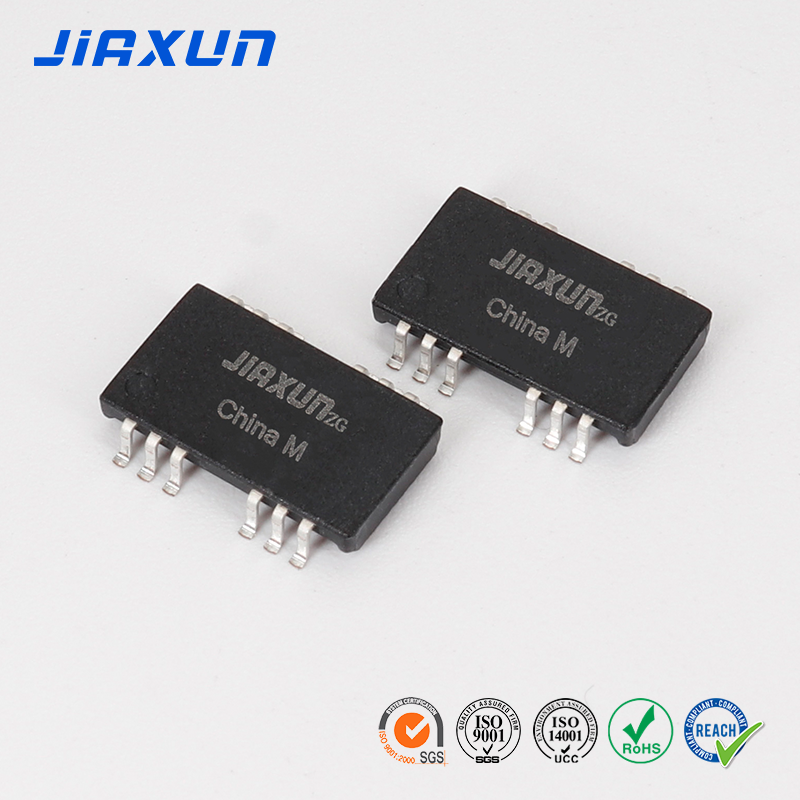
A LAN transformer is an electronic component used in local area networks (LANs) to provide electrical isolation between different network devices, such as switches, routers, and other communication equipment. It helps protect against electrical surges and noise, ensuring the smooth transmission of data signals over Ethernet cables.
LAN transformers are particularly important in networking applications where high-speed data transfer is necessary, such as in industrial settings, data centers, and large-scale enterprises. By acting as a bridge between the electrical and data components of a network, LAN transformers enhance signal clarity and reliability while safeguarding sensitive equipment from voltage spikes and other electrical interferences.

Key Features to Look for When Choosing a LAN Transformer
When selecting a LAN transformer for your network, there are several critical features to consider. Let’s take a closer look at these features to ensure you choose the best transformer for your specific needs.
1. Voltage and Current Rating
-
The voltage and current rating of a LAN transformer are essential in ensuring compatibility with your network devices. These ratings dictate the level of electrical isolation a transformer provides and help prevent damage to equipment due to overvoltage or excessive current.
-
Ensure that the LAN transformer you choose is rated for the appropriate voltage levels for your specific application, whether it’s for standard 10/100/1000 Ethernet or higher-speed 10G Ethernet networks.
2. Impedance Matching
-
Impedance matching is critical in ensuring signal integrity. A transformer with proper impedance matching ensures that the electrical signals transmitted across the network cables are neither reflected nor degraded. This is particularly important for high-speed data transmission, where even slight signal distortions can lead to data errors and network downtime.
-
Standard Ethernet networks use an impedance of 100 ohms, and it’s essential that the LAN transformer matches this to ensure smooth data flow.
3. Bandwidth and Frequency Range
-
The bandwidth of a LAN transformer determines the amount of data that can be transferred without loss. A transformer with a wider frequency range can handle higher-speed data transmissions, which is particularly important for high-performance networks like 10G Ethernet.
-
When selecting a LAN transformer, ensure that it supports the required bandwidth for your network’s data throughput. If you're running 1G, 10G, or higher speeds, choose a transformer with a higher frequency response to meet those needs.
4. Size and Form Factor
-
Size and form factor are important considerations, especially if you're working with limited space in your network hardware. LAN transformers come in various sizes and configurations, including through-hole and surface-mount options. The physical dimensions of the transformer should align with the requirements of your network setup and device ports.
-
In compact or space-constrained environments, opting for smaller form factor transformers can help maintain a neat, organized, and efficient network layout.
5. Isolation Resistance
-
Isolation resistance refers to the transformer’s ability to block electrical surges and protect devices from power spikes. A high-quality LAN transformer should offer robust isolation resistance to shield network devices from external electrical disturbances, preventing damage and ensuring longevity.
-
Look for transformers with high dielectric strength and good isolation resistance ratings to safeguard your equipment.
6. Compliance and Standards
-
Ensure that the LAN transformer complies with industry standards, such as IEEE 802.3 for Ethernet networking, as well as RoHS (Restriction of Hazardous Substances) and UL certifications. These standards not only ensure the quality and safety of the transformer but also guarantee compatibility with other networking equipment.
-
Compliance with international standards will give you peace of mind that the LAN transformer is reliable and suitable for use in your network.

Benefits of Using LAN Transformers in Your Network
LAN transformers offer several key benefits that make them indispensable for high-performance networking. Let’s delve into these advantages:
1. Signal Integrity
-
A primary benefit of using a LAN transformer is the enhancement of signal integrity. Transformers improve the clarity of data signals by reducing electrical noise and ensuring that data is transmitted without interference.
-
In high-speed networks, even the smallest signal degradation can cause errors, leading to data loss or network instability. LAN transformers mitigate this risk by ensuring clean and stable signal transmission.
2. Electrical Isolation
-
LAN transformers provide electrical isolation between network devices and the rest of the electrical system. This is crucial in protecting equipment from voltage spikes, surges, and electromagnetic interference (EMI). Without proper isolation, network devices can be vulnerable to damage from external power disturbances, which could result in costly repairs or downtime.
-
Isolation also reduces the risk of ground loops, which can cause performance issues or equipment damage.
3. Improved Network Reliability
-
A stable and reliable network is vital for maintaining business operations. LAN transformers contribute to the overall reliability of your network by ensuring consistent data transmission, even in environments with high electrical noise or interference.
-
With the increased demand for real-time communication and data transmission, especially in sectors like telecommunications and healthcare, ensuring network reliability is more important than ever.
4. Reduced Crosstalk and Noise
-
LAN transformers help reduce crosstalk, which is the unwanted transfer of signals between adjacent wires or circuits. This issue can be particularly problematic in high-speed networks, where crosstalk can lead to significant data errors.
-
Transformers also minimize electromagnetic interference (EMI), which can degrade network performance. By isolating the signals from external interference, LAN transformers ensure cleaner, more reliable data transmission.
5. Cost-Effective Protection
-
In addition to improving network performance, LAN transformers provide an affordable means of protecting your network equipment. While they are a small investment relative to the cost of high-end networking hardware, they offer significant long-term protection from electrical surges, preventing costly damage to sensitive components.

Common Questions About LAN Transformers
1. What is the difference between a LAN transformer and a regular transformer?
-
A regular transformer is designed for general power conversion and voltage regulation. In contrast, a LAN transformer is specifically designed to provide electrical isolation for data transmission, ensuring signal integrity and protecting network devices from electrical disturbances.
2. Can I use any transformer for my Ethernet network?
-
No. Only LAN transformers that meet the necessary specifications, such as impedance matching, bandwidth, and voltage ratings, should be used for Ethernet networks. Using an incompatible transformer can result in signal degradation and network issues.
3. How do I know if my LAN transformer is of good quality?
-
Look for transformers with certifications like UL, RoHS, and compliance with Ethernet standards like IEEE 802.3. These certifications ensure that the transformer meets industry quality and safety standards.
4. What is the lifespan of a LAN transformer?
-
The lifespan of a LAN transformer largely depends on the quality of the components, the environment it’s used in, and the level of stress it experiences. Generally, high-quality LAN transformers can last for many years with proper use and maintenance.
5. Can LAN transformers be used in other applications apart from Ethernet networks?
-
While LAN transformers are designed for Ethernet networks, they can sometimes be used in other data communication systems that require signal isolation and integrity, such as telephone lines or industrial communication systems. Always ensure compatibility before using them outside of Ethernet networks.
Conclusion
Choosing the right LAN transformer for your network is essential for ensuring high performance, reliability, and protection against electrical disturbances. By considering factors like voltage rating, impedance matching, and isolation resistance, you can select a transformer that meets your network’s unique needs. Remember, a quality LAN transformer can enhance signal integrity, improve network stability, and protect your valuable equipment from damage.
Make sure to consult the key features and benefits discussed in this article when selecting a LAN transformer, and you’ll be on your way to optimizing your network for years of uninterrupted operation.
How to Choose the Best RJ45 Modular Jack for Your Network Design
How to Choose the Best SFP Cage for Your Network Setup: A Complete Buying Guide
Related Article