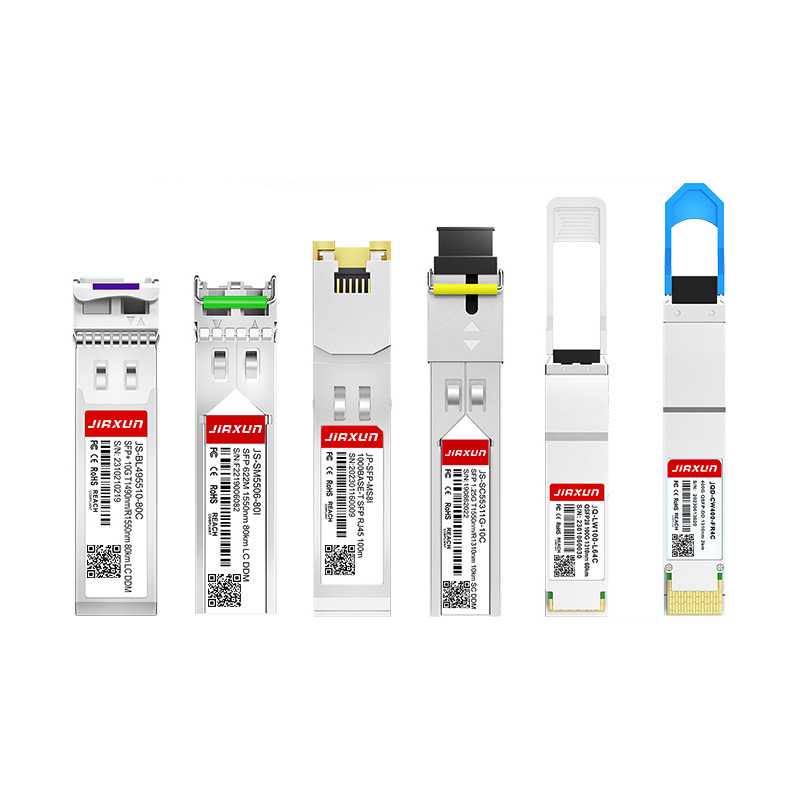
RJ45 selection principles
1. connection speed and transmission performance. the RJ45 port needs to support high-speed data transmission and stable connection to ensure the quality and efficiency of network communication. Therefore, when choosing the type of packaging, you need to pay attention to whether it can meet the required connection speed and transmission performance.
2. Enclosure material and number of ports. The casing material should have sufficient strength and durability to resist the effects of the external environment. The number of ports needs to be determined according to the actual needs to meet the needs of different devices connected.
3. Compatibility and standardisation issues. Since the RJ45 port is widely used in various devices and networks, its compatibility with other interfaces and devices needs to be ensured. At the same time, it is also necessary to comply with the relevant standards and specifications to ensure the universality and interoperability of the interface.
Overall, the choice of RJ45 port has a significant impact on its performance and stability. When selecting the type, a number of factors such as space, maintenance, connection speed, transmission performance, housing material, number of ports, and compatibility and standardisation need to be considered.

The Advantages of Choosing an RJ45 Jack without Integrated Magnetics
Related Article