
RJ45 with USB The Ultimate Connectivity Solution for Modern Devices
2025-05-14
In today's world where seamless connectivity is everything, the demand for versatile, efficient, and reliable connection solutions has never been higher. That's why the innovative blend of RJ45 and USB has emerged—to meet this need head-on. This breakthrough technology brings together two core interface technologies, completely transforming how devices connect across all industries.
By integrating the widely used RJ45 interface (known for its rock-solid Ethernet connectivity) with the ubiquitous USB port, this innovative product creates a powerful solution that keeps up with the ever-changing demands of modern connectivity. Whether in industrial setups, smart devices, or consumer electronics, the RJ45-USB hybrid connector seamlessly combines high-speed data transfer with broad device compatibility. It's become an essential part of our interconnected world—hard to imagine any modern setup without it.
Key Advantages of Using RJ45 with USB in Modern Devices
The RJ45 with USB offers a plethora of advantages that set it apart from traditional single-interface connectors, making it a preferred choice for engineers and designers across industries. First and foremost is its versatility. By combining Ethernet and USB capabilities, this connector allows devices to connect to both local area networks and a wide range of USB peripherals simultaneously. For example, a smart factory machine equipped with a RJ45 Connector with USB can use the RJ45 port for real-time data exchange with the plant's network while using the USB port to connect to a barcode scanner or a local storage device, streamlining operations and improving efficiency.
Another significant advantage is space efficiency. In compact devices, every millimeter of space matters. Instead of dedicating separate areas for an RJ45 jack and a USB port, the hybrid connector consolidates both functions into a single unit, saving valuable board space and reducing the overall size of the device. This is particularly beneficial in embedded systems, IoT (Internet of Things) devices, and portable electronics where miniaturization is key. Additionally, the ease of use cannot be overstated. USB's plug-and-play feature, combined with RJ45's reliable Ethernet connection, ensures that users can connect and configure devices quickly without the need for complex setup procedures, enhancing user satisfaction and reducing technical support needs.
Durability is also a standout feature. Both RJ45 and USB connectors are designed to withstand repeated plugging and unplugging, and the hybrid design inherits this robustness. The RJ45 modular jack with USB often comes with reinforced connectors and high-quality materials, ensuring long-lasting performance even in harsh environments, such as industrial settings with high vibrations or fluctuating temperatures. Finally, from a manufacturing perspective, using a single hybrid connector instead of two separate ones can reduce production costs by minimizing component sourcing, assembly time, and potential troubleshooting for connectivity issues.

Understanding the RJ45 Connector with USB: A Fusion of Two Key Technologies
The RJ45 with USB is a hybrid connector that brings together the RJ45 modular jack, primarily used for Ethernet networking, and the USB (Universal Serial Bus) interface, famous for its plug-and-play functionality and wide device support. The RJ45 component, with its eight-position modular jack, is designed to transmit high-speed data over twisted-pair cables, supporting Ethernet standards up to 10Gbps, which is crucial for reliable network connections. Meanwhile, the USB interface, available in versions like USB 2.0, USB 3.0, or even USB-C, enables easy connection to a vast array of peripherals, from keyboards and mice to storage devices and multimedia equipment.
This combination creates a single connector that can handle both network communication and USB device integration, eliminating the need for multiple separate ports. The RJ45 modular jack with USB is typically designed to fit into compact spaces, making it ideal for devices where space is a premium, such as industrial controllers, embedded systems, or portable electronics. By integrating these two technologies, manufacturers can simplify device design, reduce cabling complexity, and enhance user experience by providing a unified connectivity solution. Moreover, the standardized nature of both RJ45 and USB ensures compatibility with existing infrastructure and devices, making the transition to this hybrid connector smooth and cost-effective.

The versatility of the RJ45 with USB makes it a valuable solution in a wide range of industries, addressing specific connectivity challenges in each sector. In industrial automation, where machines need to communicate with each other and with central control systems while also connecting to sensors or actuators, this hybrid connector plays a pivotal role. A robotic arm, for instance, can use the RJ45 port to receive commands from the factory's network and the USB port to connect to a vision system that guides its movements, enabling precise and coordinated operations.
In the IoT and smart device sector, devices like smart home hubs, security cameras, and environmental sensors often require both a stable network connection and the ability to interface with local peripherals. A smart home hub with a RJ45 Connector with USB can connect to the home's Ethernet network for remote management while using the USB port to read data from a local storage device or charge a backup battery, enhancing the device's functionality and reliability.
The consumer electronics industry also benefits from this technology. Portable devices such as high-end gaming controllers, multimedia docking stations, or advanced digital cameras can utilize the RJ45 with USB to offer both high-speed data transfer over Ethernet (for lag-free gaming or large file transfers) and USB connectivity for accessories, making them more versatile and user-friendly. Additionally, in networking equipment, such as small form-factor routers or network-attached storage (NAS) devices, the hybrid connector allows for compact designs without compromising on connectivity options, appealing to both home users and small businesses.
Even in medical devices, where reliable data transfer and compatibility with various peripherals are critical, the RJ45 modular jack with USB finds its place. For example, a patient monitoring system can use the RJ45 port to send real-time health data to a hospital's network while using the USB port to connect to a printer or a barcode scanner for patient identification, ensuring seamless integration into healthcare workflows.

How to Choose the Right RJ45 Connector with USB for Your Needs
When selecting a RJ45 connector with USB for your device, several factors should be taken into account to ensure optimal performance and compatibility. First, consider the connectivity standards each interface supports. For the RJ45 side, check if it supports the Ethernet speeds you need, such as 10/100/1000Mbps or even 10Gbps, depending on your data transfer requirements. On the USB side, determine whether you need USB 2.0 (suitable for basic peripherals), USB 3.0/3.1 (for high-speed data like external SSDs or video devices), or the newer USB-C (for reversible connectors and enhanced power delivery).
Next, evaluate the physical design and form factor. Does the connector fit into your device's layout? Some models come as panel-mount connectors, while others are designed for PCB integration. The durability of the connector is also important, especially for industrial applications. Look for features like gold-plated contacts for corrosion resistance, ruggedized housings, and IP ratings if the device will be used in dusty or wet environments.
Compatibility with your existing systems is another key factor. Ensure that the RJ45 Connector with USB works seamlessly with your device's operating system and software, whether it's a custom embedded system or a standard OS like Windows or Linux. Additionally, check if the connector meets industry standards and certifications, such as RoHS compliance for environmental safety or IEEE standards for Ethernet and USB, which can guarantee reliability and interoperability.
Finally, consider the manufacturer's reputation and support. Choosing a trusted supplier who offers high-quality components and reliable technical support can save you from potential issues down the line. Look for manufacturers with experience in producing hybrid connectors and a proven track record in your industry, ensuring that you get a product that meets your performance needs and withstands the test of time.
In conclusion, the RJ45 with USB is more than just a connector; it's a versatile solution that bridges the gap between network connectivity and peripheral integration. By combining the reliability of RJ45 with the universality of USB, it offers unmatched convenience, efficiency, and compatibility across a wide range of applications. Whether you're designing the next generation of industrial machines, smart devices, or consumer electronics, incorporating the RJ45 modular jack with USB can elevate your product's connectivity capabilities, making it more competitive in the global market. Don't miss out on the opportunity to future-proof your devices — explore our range of high-quality RJ45 with USB connectors today and experience the difference the ultimate connectivity solution can make.
Everything You Need to Know About RJ45 Jacks
RJ45 Manufacturer: Your Trusted Partner for High-Quality Connectors
Related Article

LAN Transformer vs Discrete Magnetics Guide | JIAXUN
LAN Transformer vs. Discrete Magnetics: Why Integrated RJ45 Connectors are Better for Modern Networking
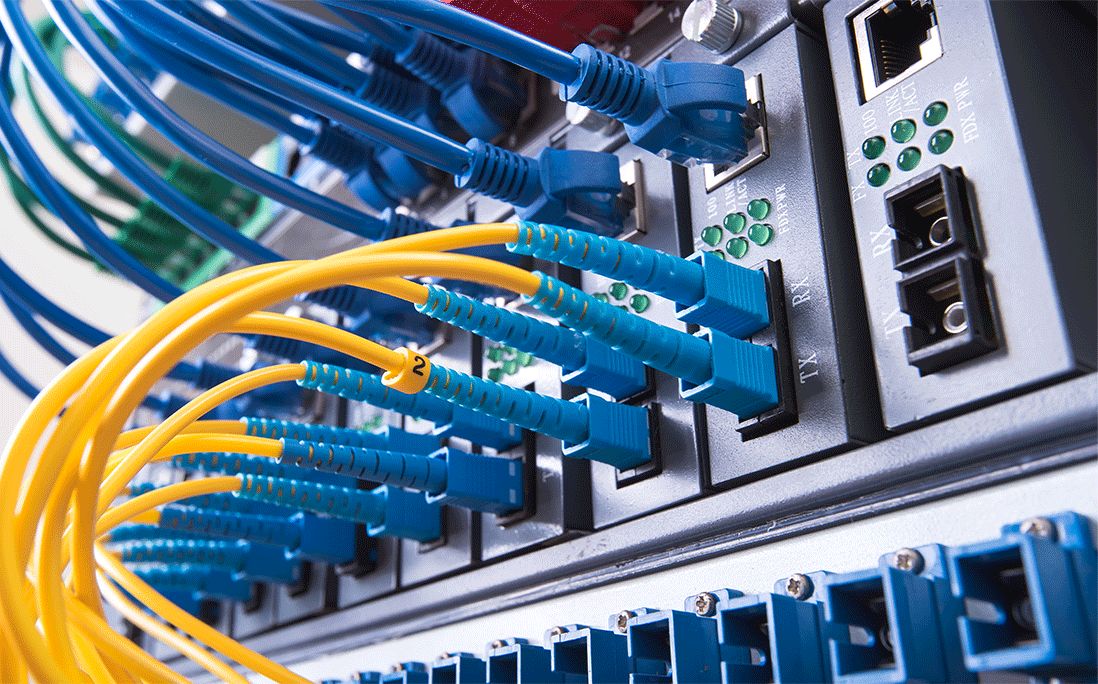

Invitation | Jiaxun (Huizhou) Intelligent Technology Invites You to the 2026 Global Sources Consumer Electronics Show
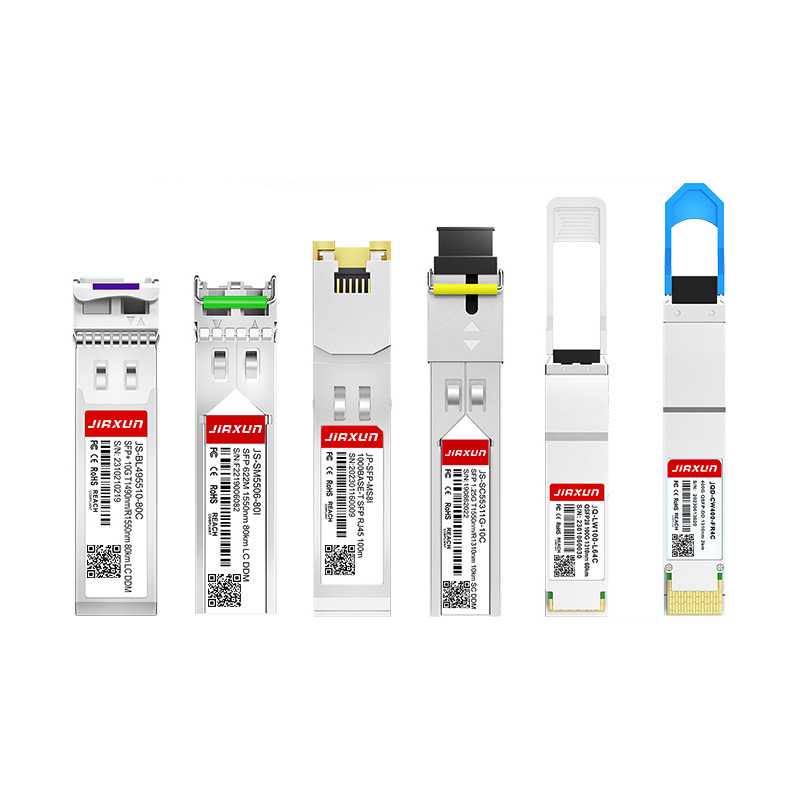
As global data traffic continues to grow rapidly, modern networks require faster and more efficient data transmission technologies. Optical transceivers play a critical role in fiber optic communication systems by converting electrical signals into optical signals for high-speed data transmission.
Complete Guide to SFP Modules and Optical Transceivers SFP, 10G SFP+, SFP28, QSFP28, QSFP-DD, 400G and 800G Modules Explained