What Are SFP Optics Transceivers? A Complete Guide for Network Engineers
In modern networking, SFP optics transceivers play a vital role in connecting switches, routers, and servers over fiber or copper cabling. Whether you’re building an enterprise network, a data center, or an industrial communication system, understanding how SFP modules work and how to choose the right one is essential for performance and scalability.
This guide explains everything you need to know about SFP optics transceivers — their functions, types, compatibility, and how to select the right solution for your network.
1. What Is an SFP Optics Transceiver?
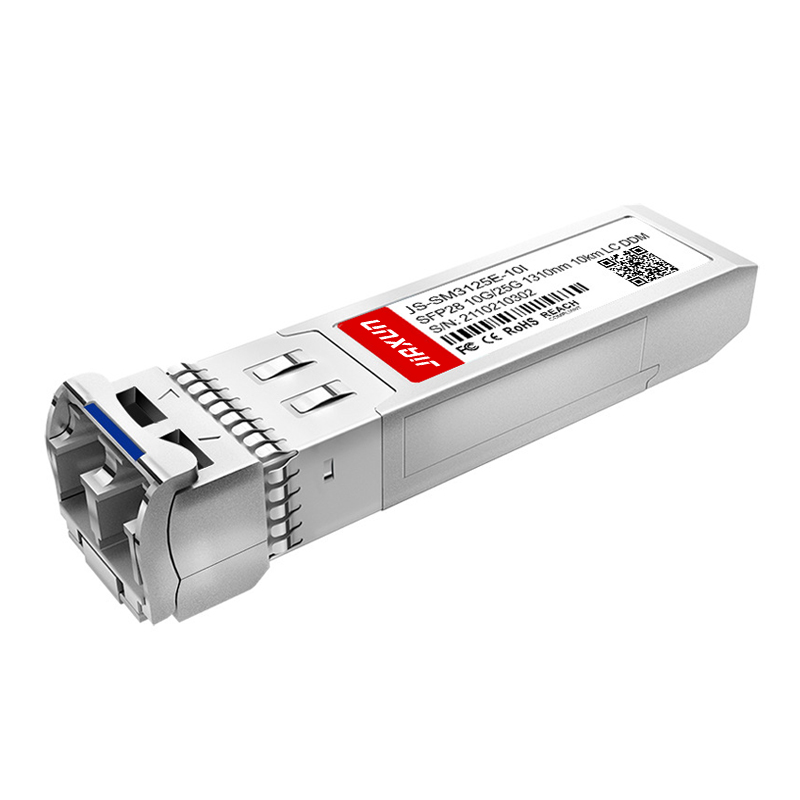
An SFP (Small Form-factor Pluggable) optics transceiver is a compact, hot-swappable module used to transmit and receive data through fiber optic or copper cables.
It acts as an interface between networking equipment (such as switches or routers) and the physical transmission medium.
Key Functions
-
Signal Conversion – Converts electrical signals from network devices into optical signals for fiber transmission and vice versa.
-
Modular Design – Allows easy replacement or upgrade without shutting down the network.
-
Scalability – Supports multiple speeds and protocols (1G, 10G, 25G, etc.), providing flexibility for future upgrades.

2. How Do SFP Optics Transceivers Work?
SFP optics transceivers operate by using lasers (for transmitting) and photodiodes (for receiving) optical signals. When plugged into a compatible port, the transceiver automatically identifies and establishes a communication link.
Depending on the network setup, the SFP module can support:
-
Single-mode fiber (SMF) for long-distance transmission (up to 120 km)
-
Multi-mode fiber (MMF) for short-distance, high-speed applications
-
Copper (RJ45 SFP) for Ethernet cabling up to 100 meters
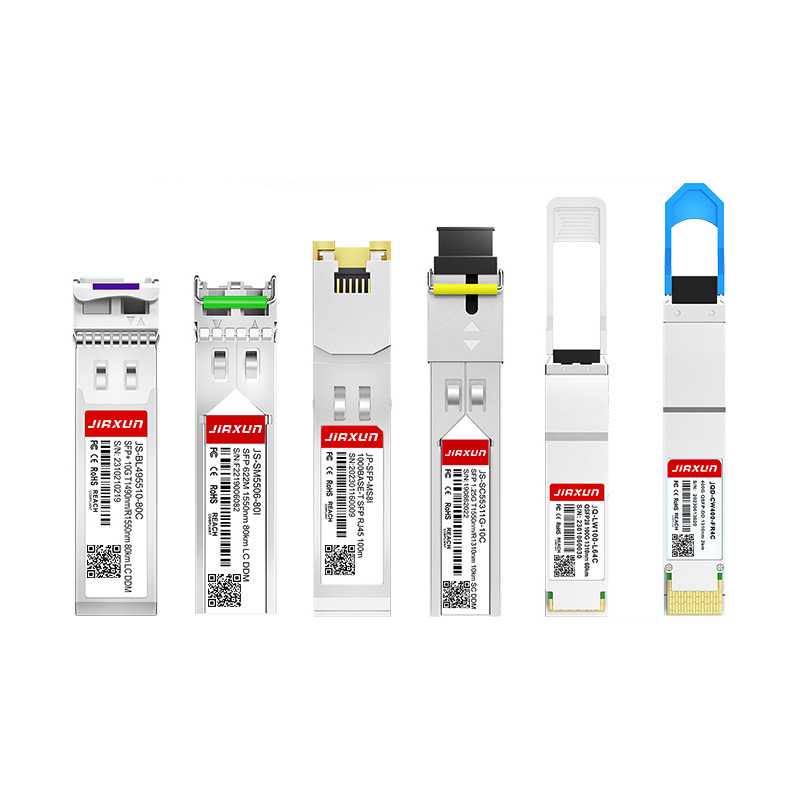
3. Common Types of SFP Optics Transceivers
| Type | Typical Data Rate | Transmission Distance | Cable Type | Application |
|---|---|---|---|---|
| SFP (1G) | 1.25 Gbps | Up to 160 km | SMF / MMF | Enterprise / Industrial networks |
| SFP+ (10G) | 10 Gbps | Up to 80 km | SMF / MMF | Data centers, servers |
| SFP28 (25G) | 25 Gbps | Up to 40 km | SMF / MMF | Cloud and 5G applications |
| QSFP / QSFP+ / QSFP28 | 40–100 Gbps | Varies | SMF / MMF | Core or aggregation layer networks |

4. SFP Optics Transceivers vs. Other Transceiver Types
| Feature | SFP | SFP+ | QSFP | QSFP28 |
|---|---|---|---|---|
| Speed | 1G | 10G | 40G | 100G |
| Size | Compact | Same as SFP | Slightly larger | Larger |
| Power Consumption | Low | Moderate | Higher | High |
| Use Case | Access Layer | Aggregation | Core | High-capacity backbone |
In short:
If your network requires gigabit connectivity, SFP optics transceivers are the ideal cost-effective solution. For 10G or higher performance, SFP+ and QSFP modules are more suitable.
5. Key Factors to Consider When Choosing SFP Optics Transceivers
Selecting the right module requires attention to several technical parameters:
-
Transmission Distance – Determine whether your network runs over short (MMF) or long (SMF) fiber.
-
Wavelength – Common options include 850nm (short-range), 1310nm (medium), and 1550nm (long-range).
-
Data Rate Compatibility – Ensure the SFP matches the port speed (e.g., 1G SFP cannot be used in a 10G port).
-
Brand Compatibility – Some network equipment vendors (Cisco, HPE, Juniper) require specific-coded SFPs for full functionality.
-
Environmental Conditions – Use industrial-grade SFP optics transceivers for harsh or outdoor applications (–40°C to +85°C).

6. Applications of SFP Optics Transceivers
SFP optics transceivers are used across a wide range of industries:
-
Enterprise Networks: Connecting switches, firewalls, and routers.
-
Data Centers: High-density, high-speed backbone connectivity.
-
Telecom & ISPs: Long-distance data transmission between network nodes.
-
Industrial Automation: Reliable Ethernet communication in harsh environments.
-
Surveillance & Security: Fiber connections for IP cameras and monitoring systems.
7. Benefits of Using SFP Optics Transceivers
-
? Flexibility: Easily switch between fiber types and distances.
-
⚡ Performance: Supports high bandwidths and low latency.
-
? Cost Efficiency: Modular design reduces maintenance and upgrade costs.
-
? Future-Proofing: Compatible with evolving network standards (1G–100G).
-
? Wide Compatibility: Works across multiple brands and protocols.
8. Leading Manufacturers and OEM Solutions
Several manufacturers specialize in producing high-quality SFP optics transceivers, ensuring reliability and compatibility with major network brands.
One example is JIAXUN, a professional manufacturer offering:
-
OEM/ODM customization for fiber optic transceivers
-
Comprehensive product range: SFP, SFP+, SFP28, and QSFP modules
-
Strong R&D capability and automated production for consistency and reliability
JIAXUN’s SFP optics transceivers are designed for enterprise, telecom, and industrial networking, ensuring stable performance even under demanding conditions.

9. Troubleshooting and Maintenance Tips
-
Always verify fiber polarity (TX ↔ RX).
-
Clean optical connectors regularly to prevent signal loss.
-
Check compatibility codes if using branded switches.
-
Monitor temperature and power levels via the DDM/DOM function.
-
Replace aging modules periodically to maintain link stability.
10. Conclusion
SFP optics transceivers are the backbone of modern optical networking — compact, versatile, and scalable. Whether you’re upgrading an enterprise LAN or deploying a telecom backbone, selecting the right SFP module ensures maximum performance, minimal downtime, and long-term reliability.
For projects requiring high-quality and cost-effective SFP optics transceivers, partnering with a reliable OEM like JIAXUN can help you achieve optimal results in both performance and customization.
RJ45 Modular Jack Connector Guide: Types, Pinouts, and How to Choose the Right One
Top 10 RJ45 Connector Manufacturers in China [2025 Updated List]
Related Article