Will the RJ45 Connector Become Obsolete A Forward-Looking Technical Analysis
Current Market Position of RJ45 Connectors
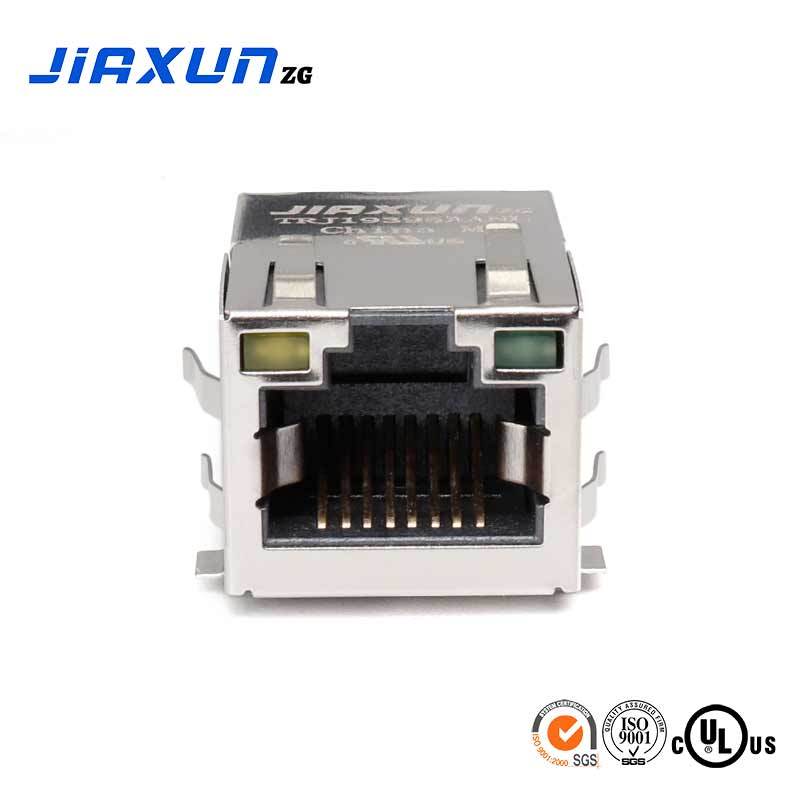
As the cornerstone of Ethernet communication, the RJ45 connector remains the preferred choice for enterprise, residential, and industrial networks due to its reliability, backward compatibility, and cost efficiency. Its standardized 8P8C (8-position, 8-contact) interface supports data transmission from Fast Ethernet (100Mbps) to 10 Gigabit Ethernet (10Gbps), while Power over Ethernet (PoE) compatibility further extends its applications.
Key advantages sustaining its market dominance include:
-
Broad Compatibility: Supports legacy (Cat5e) and modern (Cat6/6A/8) cabling standards.
-
Cost-Effectiveness: Lower deployment and maintenance costs compared to fiber optics or wireless alternatives.
-
Stability: Wired connections minimize interference, making RJ45 ideal for mission-critical environments.
Despite emerging technologies, RJ45’s entrenched ecosystem ensures its continued relevance in the near term.

Emerging Trends in Network Technology
The rise of 5G, Wi-Fi 6/7, and fiber optics is driving demand for higher bandwidth and lower latency. While 10G/40G Ethernet becomes mainstream, traditional RJ45 faces challenges in ultra-high-speed scenarios due to signal attenuation and EMI limitations.
Critical developments include:
-
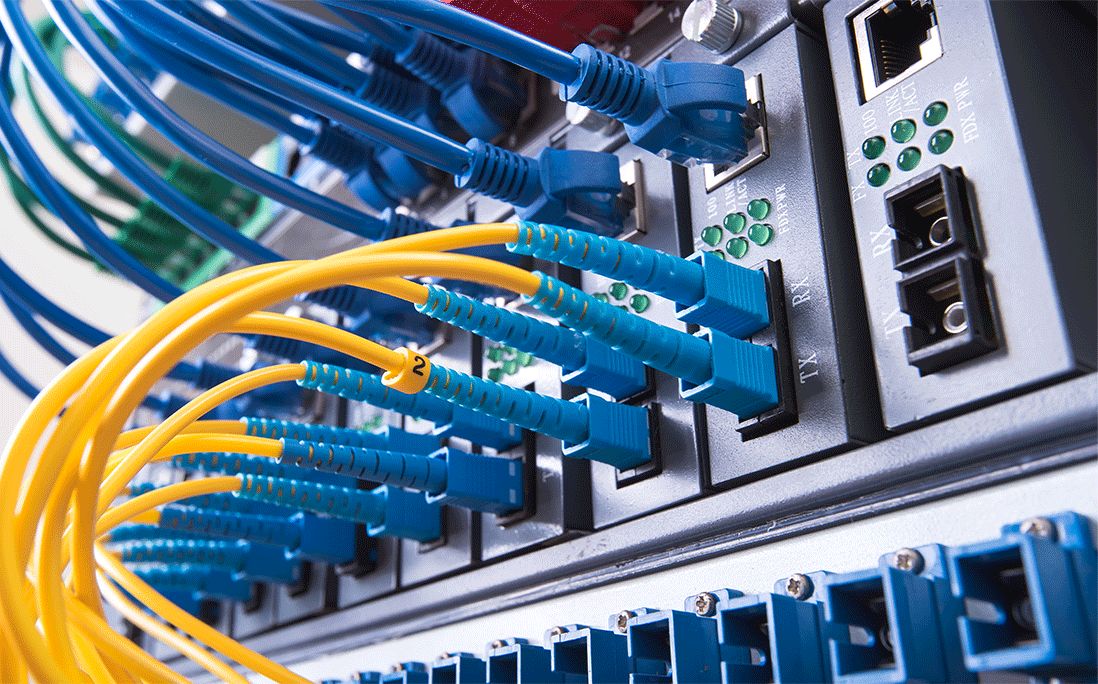
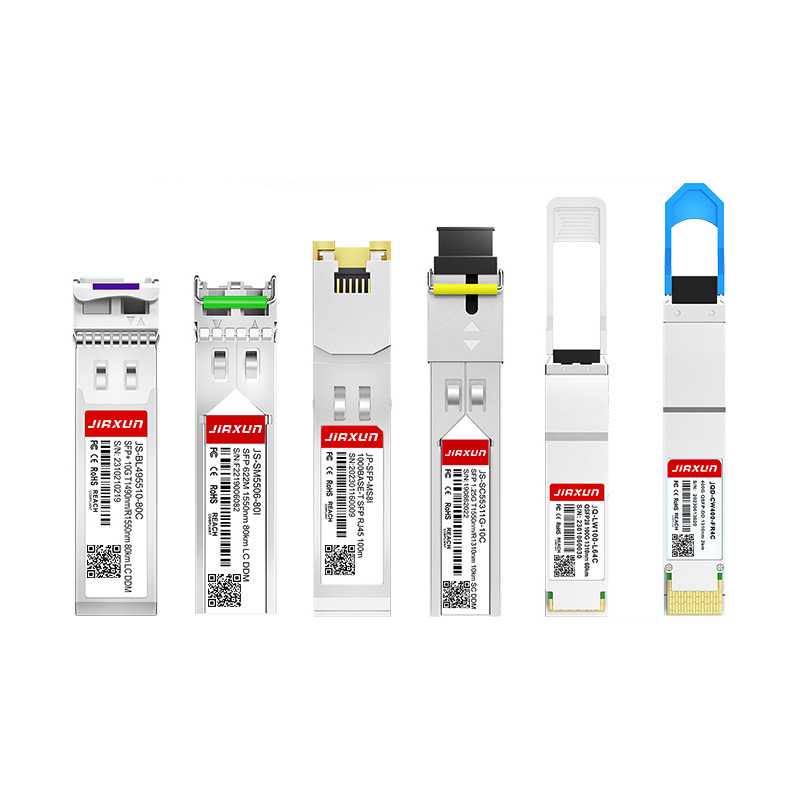
Fiber Optic Adoption: SFP/QSFP modules dominate data centers for long-range, high-bandwidth applications.
-
Wireless Advancements: Wi-Fi 6E and private 5G networks reduce wired dependencies but lack wired reliability.
-
PoE Evolution: IEEE 802.3bt (PoE++) delivers up to 90W over RJ45, reinforcing its role in powering IoT devices.
Though fiber may displace RJ45 in high-performance computing (HPC), optimized Cat6A/Cat8 standards maintain competitiveness in enterprise and industrial sub-30m deployments.

Long-Term Viability of RJ45 Connectors
RJ45’s adaptability ensures its longevity in select applications:
-
Bandwidth Scalability: Cat6A (10Gbps) and Cat8 (40Gbps) support short-range high-speed transmission.
-
Industrial & IoT Reliance: Ruggedized RJ45 connectors with PoE remain irreplaceable in automation and smart infrastructure.
-
Deployment Efficiency: Plug-and-play simplicity outperforms fiber splicing or wireless optimization for small-to-medium projects.
While fiber may dominate data center cores, RJ45 will persist in edge networks, offices, and industrial control systems.

Future-Proof RJ45 Solutions (Product Recommendations)
To align with evolving demands, we recommend the following high-performance RJ45 products:
4.1 Cat6A/Cat8 RJ45 Modules
-
Enable 10G/40G Ethernet with reduced crosstalk for enterprise upgrades.
4.2 Industrial-Grade IP67 RJ45 Connectors
-
Weatherproof and EMI-shielded for harsh environments.
4.3 PoE++ RJ45 Jack
-
Compliant with IEEE 802.3bt (90W) for high-power devices like PTZ cameras.
4.4 Tool-Less RJ45 Crimp Connectors
-
Streamline installations across Cat5e-Cat8 cabling.
4.5 Future-Readiness Strategy
-
Prioritize Cat6A/Cat8 for new deployments to ensure bandwidth headroom.
-
Select industrial-grade connectors for longevity in demanding settings


Conclusion: RJ45’s Enduring Role
RJ45 connectors will remain indispensable for enterprise, industrial, and residential networks, balancing cost, stability, and PoE capabilities. While fiber and wireless excel in specific use cases, strategic adoption of advanced RJ45 solutions—such as Cat6A and ruggedized designs—ensures infrastructure scalability.
Our curated product portfolio empowers organizations to build resilient, forward-compatible networks with RJ45 technology.
How to Choose the Right RJ45 Connector 5 Key Factors to Avoid Costly Mistakes
The Evolution of RJ45 Connectors From Inception to Gigabit Ethernet
Related Article